Professions and Figures
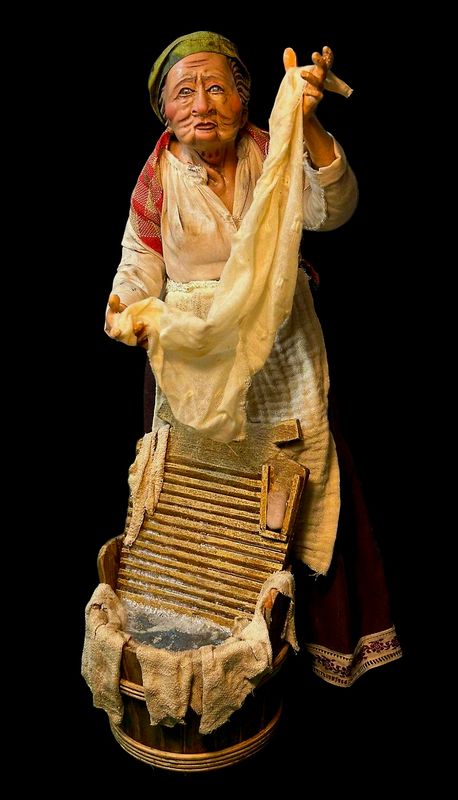
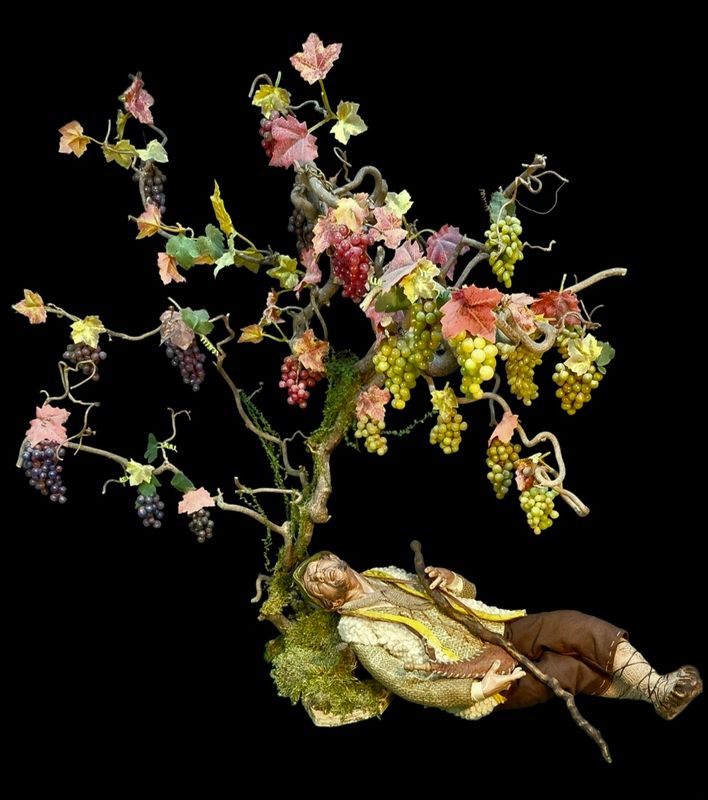
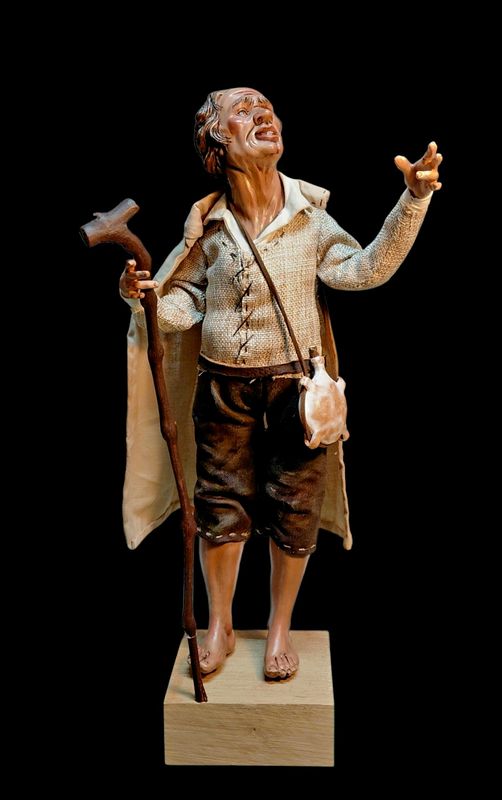
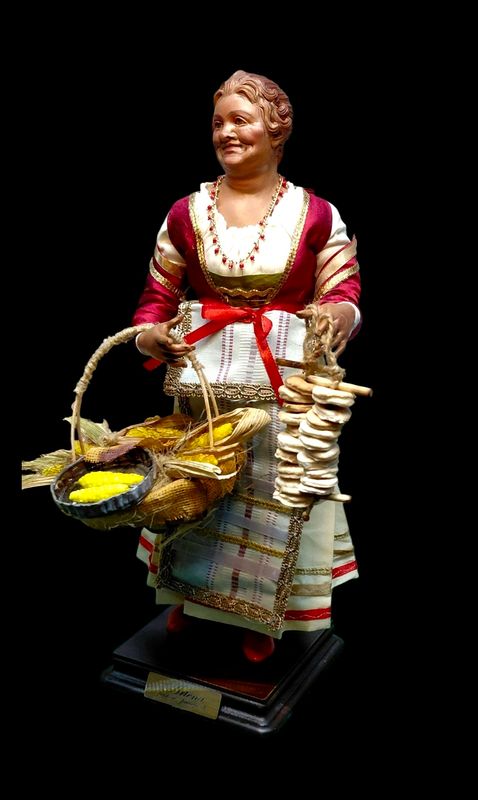
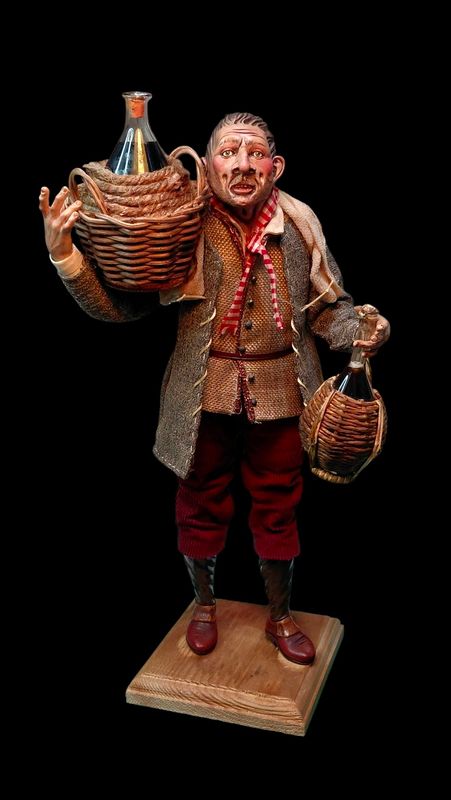
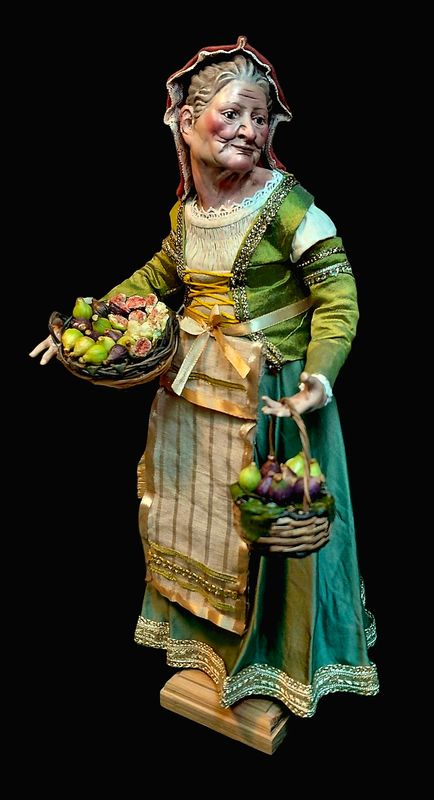
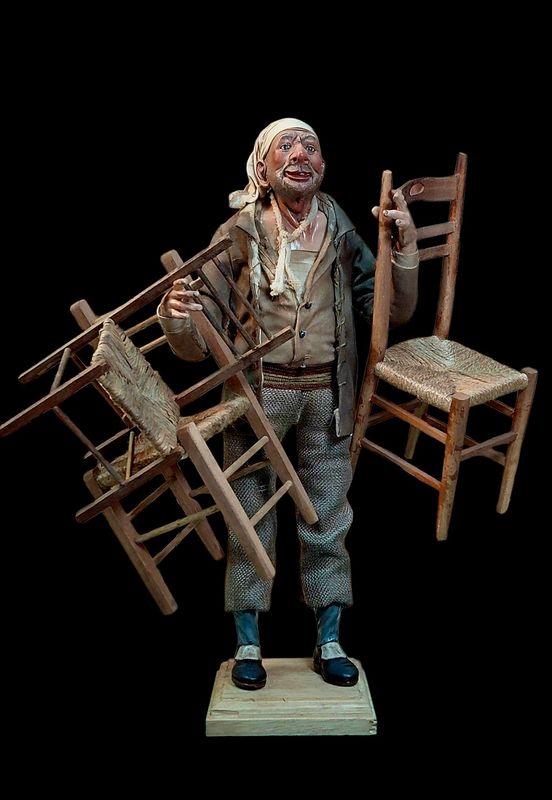
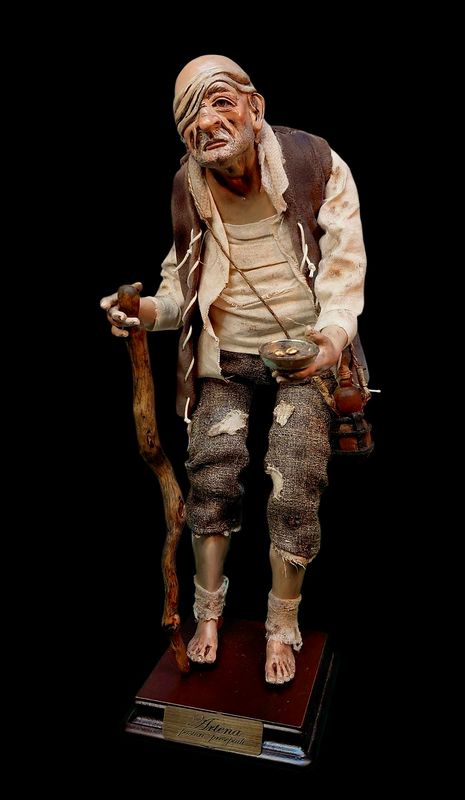
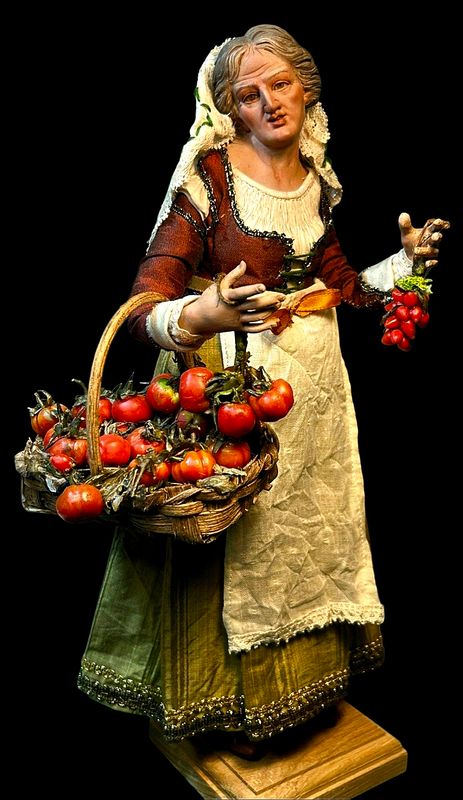
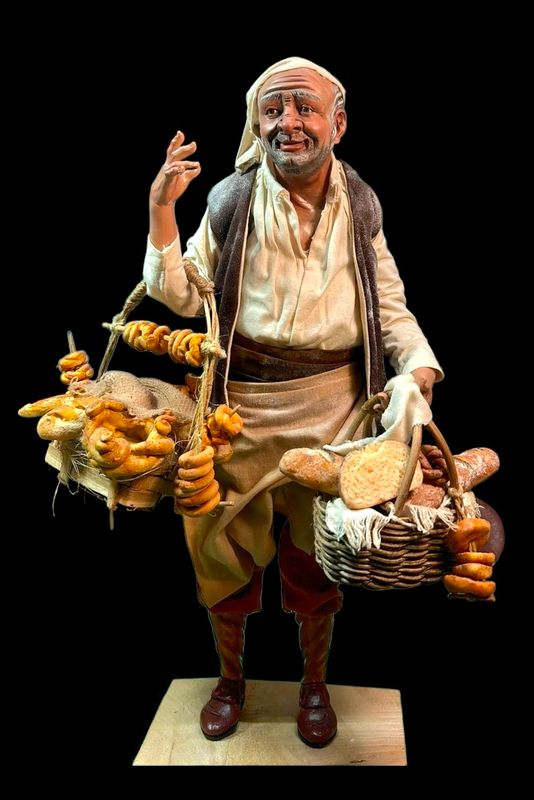
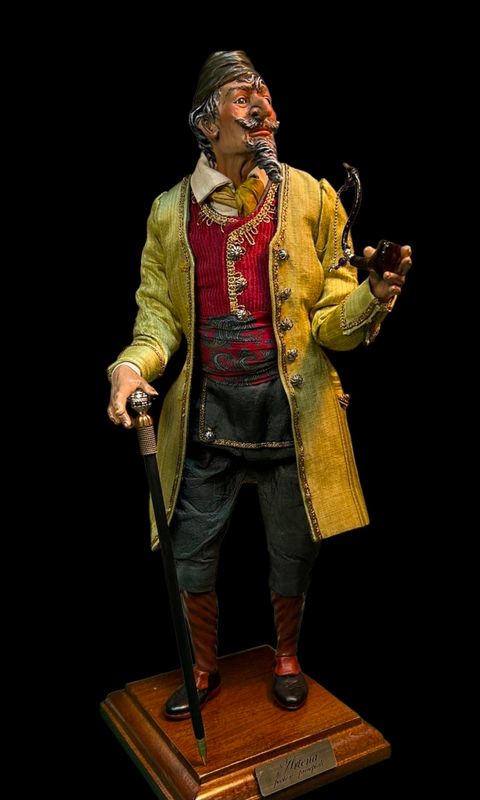
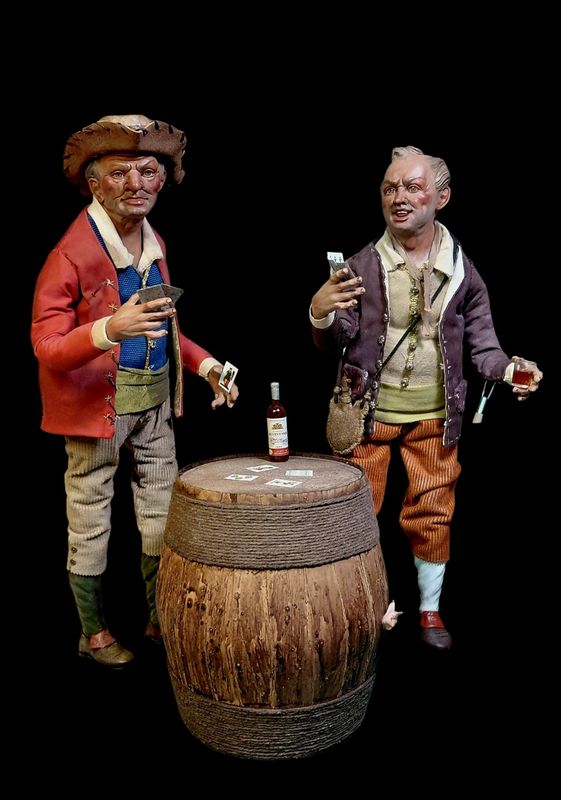
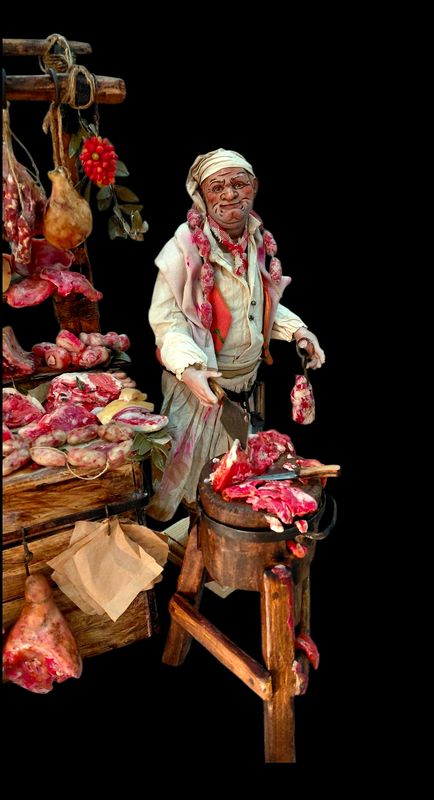
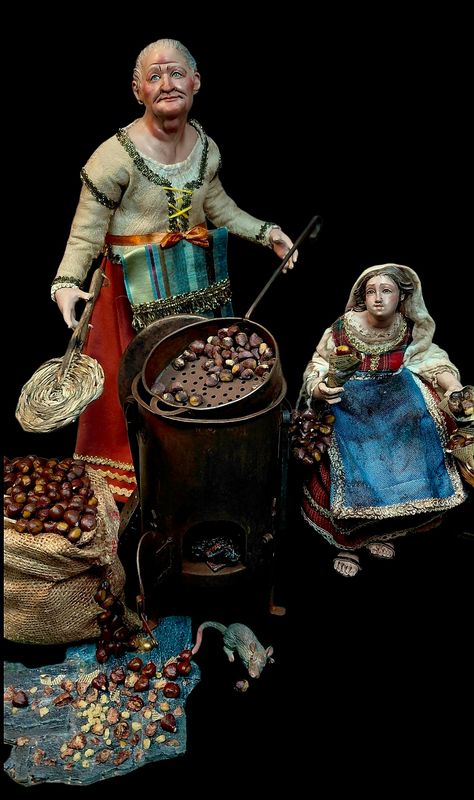
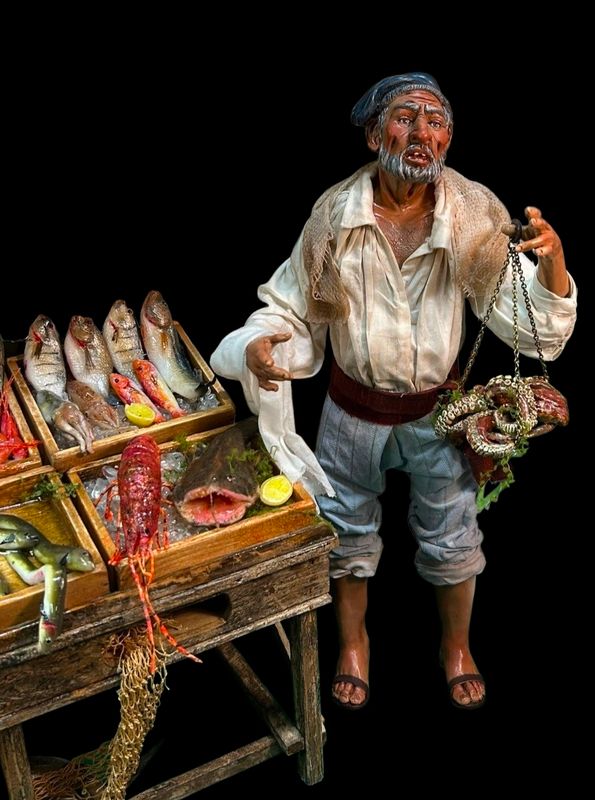
n the 18th-century Neapolitan nativity scene, the crafts and folk figures are not mere extras, but become a living part of the story. Each character represents a fragment of ancient Naples: the fisherman, the baker, the wine merchant, the chair salesman, the butcher, and many other figures who enliven the scene with gestures, faces, and expressions full of humanity. Through these crafts, the nativity scene recounts the daily life of the people, their work, toil, abundance, poverty, celebration, and hope. Each figure carries a symbolic meaning: bread evokes nourishment and sharing, wine joy and sacrifice, fish faith, fruit the abundance of the earth, and the shepherd the simplicity of man journeying toward the Mystery. In the Neapolitan nativity scene, the sacred and the popular meet. The nativity scene is not isolated from the world, but enters the real life of people, amidst shops, markets, alleyways, sounds, colors, and crafts. It is precisely this richness of figures that makes the eighteenth-century nativity scene both theatrical and spiritual, where every character, even the humblest, participates in the grand scene of Christ's birth. This category includes crafts and figures inspired by eighteenth-century Neapolitan tradition, with attention to detail, clothing, accessories, and facial expressions, to create characters capable of recounting history, faith, and everyday life.
Display prices in:EUR